 Illustrative image
Kale nutrition and benefits: what the numbers really say
A calm, number-by-number reading of raw kale: which nutrients genuinely stand out, which claims hold up, and how to cook and season it to make the most of them.
6 min read ·
Journal
A practical kale reference: we explain, cite our sources and keep a clear line between what’s established and what’s still being researched.
Illustrative imageA calm, number-by-number reading of raw kale: which nutrients genuinely stand out, which claims hold up, and how to cook and season it to make the most of them.
6 min read ·
15 results
Illustrative imageA calm, number-by-number reading of raw kale: which nutrients genuinely stand out, which claims hold up, and how to cook and season it to make the most of them.
6 min read ·
 Illustrative image
They share a shelf, not a family. Here is how kale and spinach differ in botany, oxalate, texture and cooking — and how to pick the right one for each dish.
5 min read ·
 Illustrative image
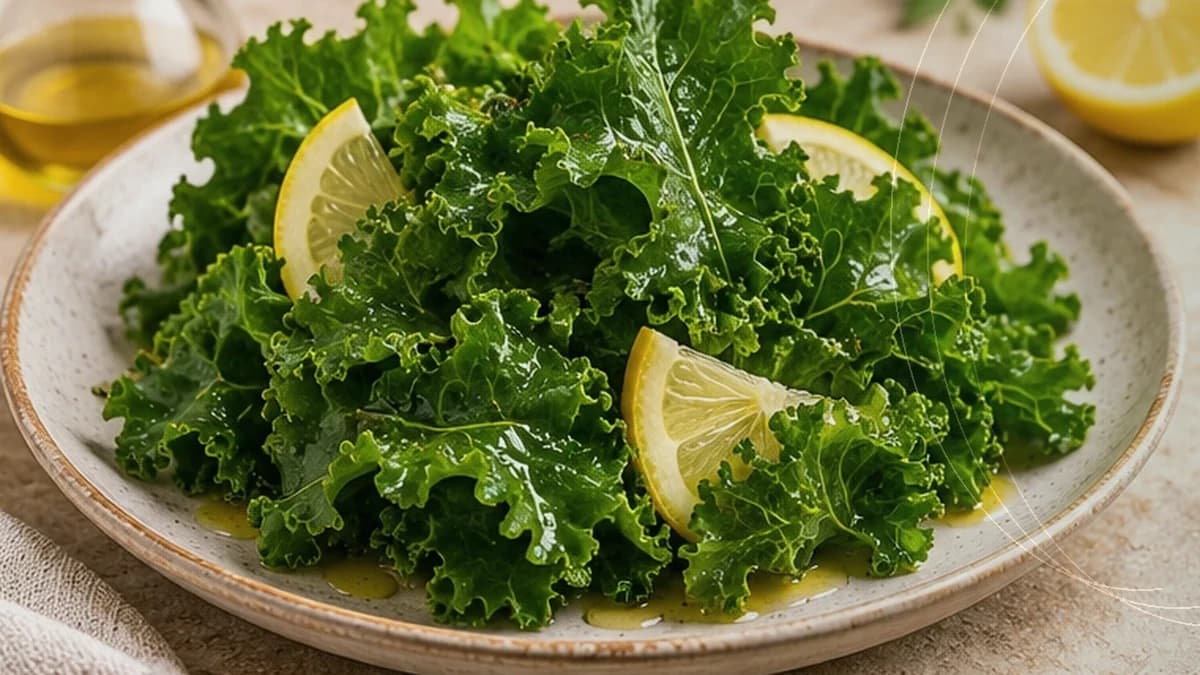
Raw curly kale rewards five minutes of technique. From sorting and drying to stripping, cutting, massaging and dressing, here is the full bag-to-bowl method.
5 min read ·
 Illustrative image
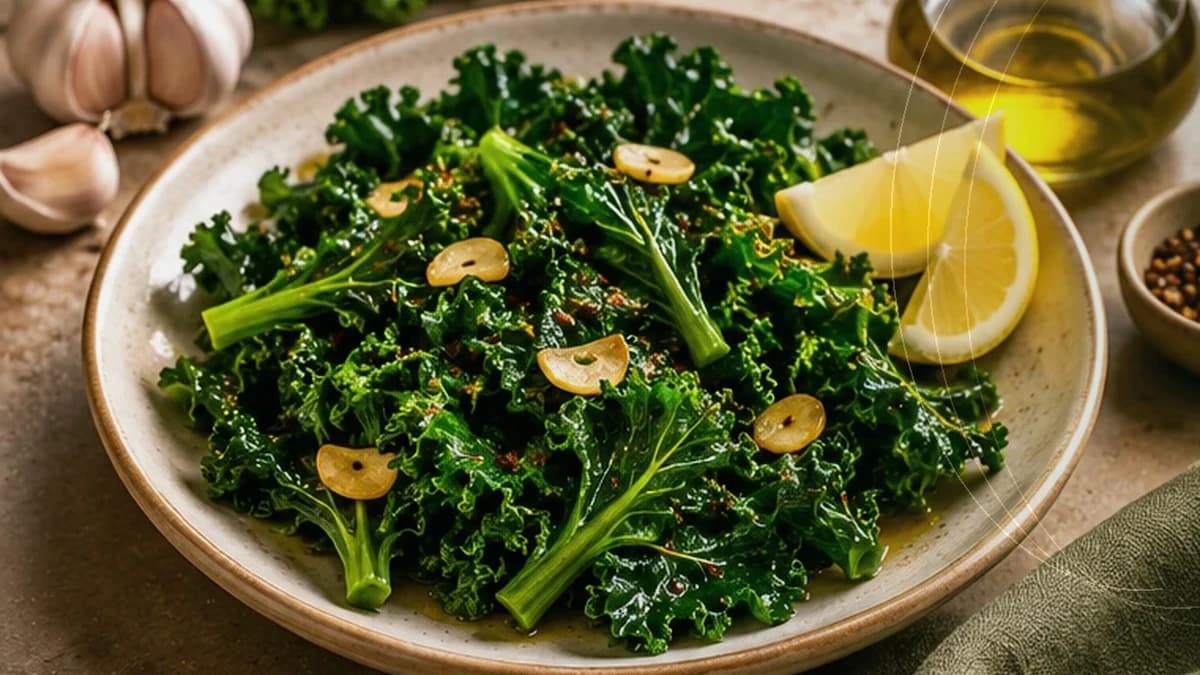
That peppery, bitter edge is chemistry, not a defect. Here is where it comes from, what makes it stronger, and the kitchen moves that soften it.
5 min read ·
 Illustrative image
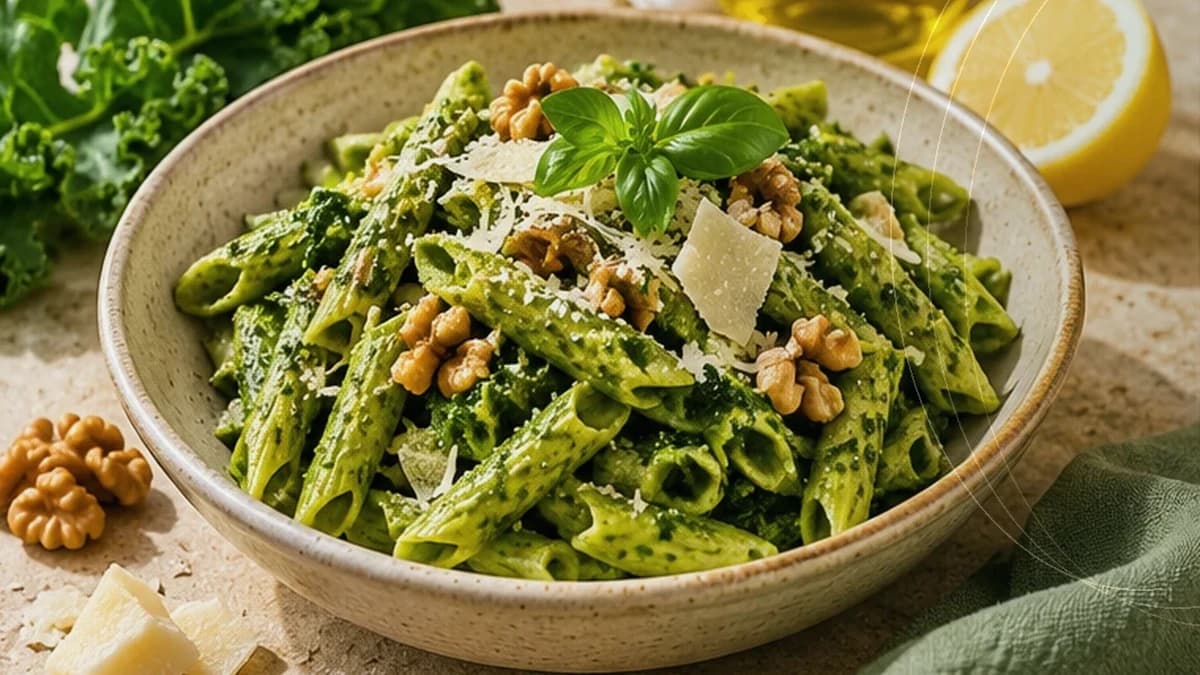
Never cooked kale before? Start here: one five-minute prep routine, five simple methods, a timing cheat sheet and the mistakes to skip.
5 min read ·
 Illustrative image
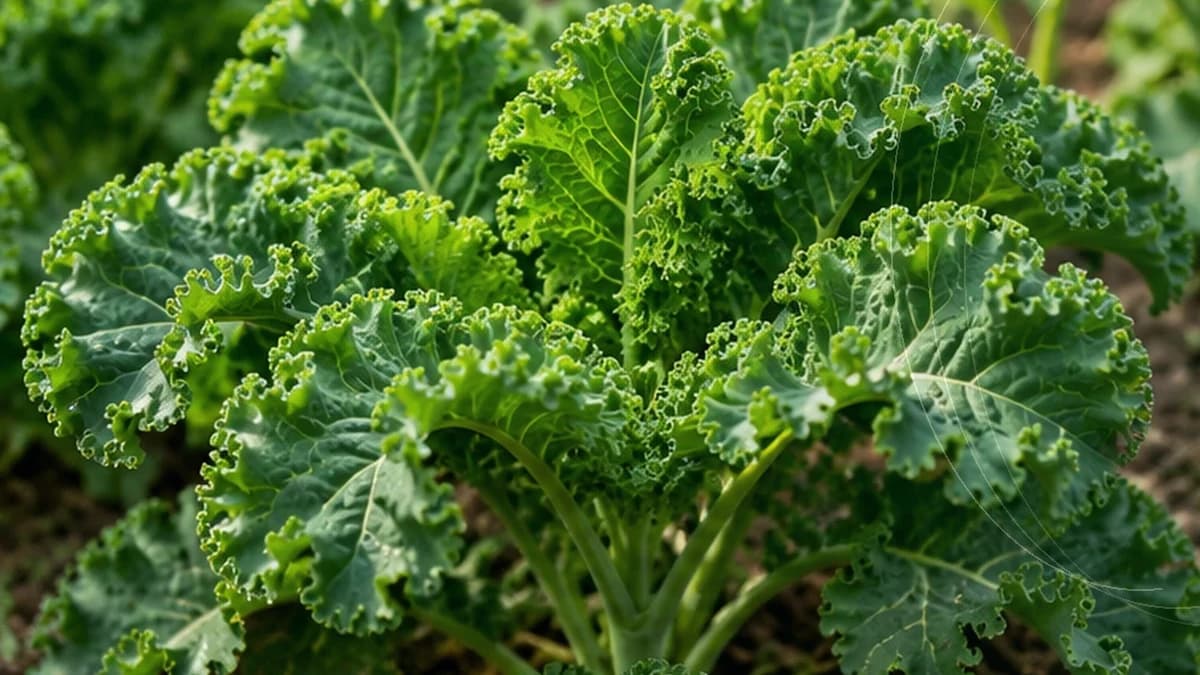
Curly kale’s ruffles trap soil and grit. Here is a simple method in line with FDA advice: when to wash, how to rinse and dry, and the shortcuts to avoid.
4 min read ·
 Illustrative image
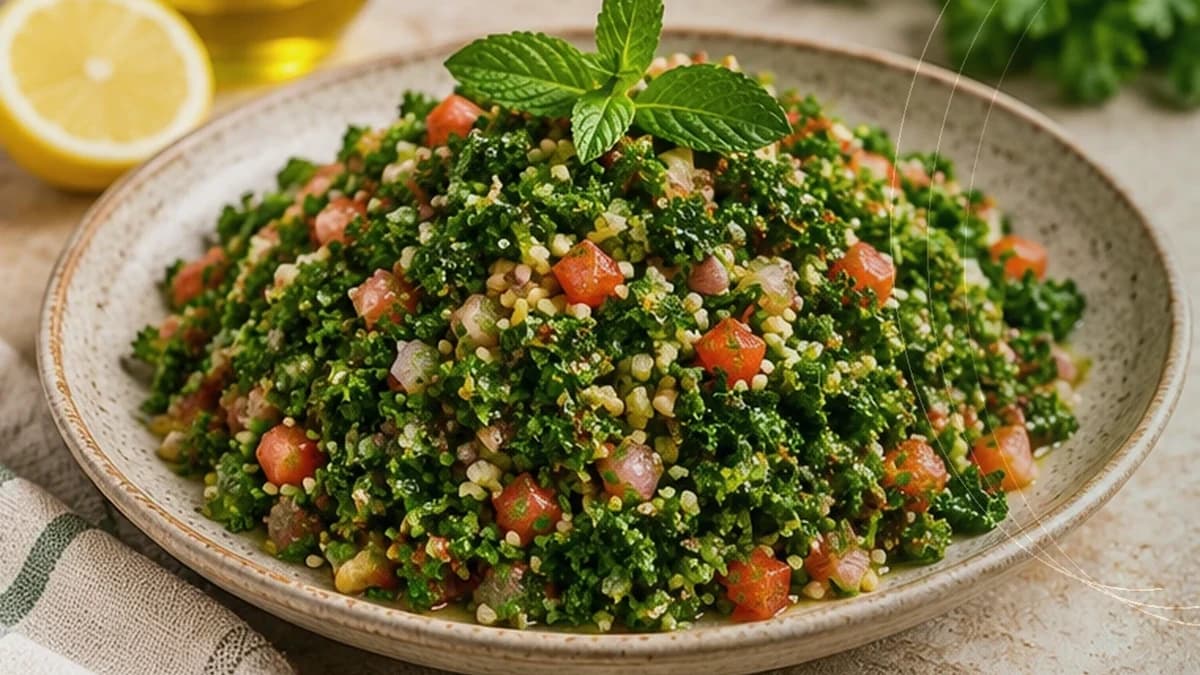
Kale is not a traditional Lebanese ingredient, but it speaks the language of olive oil, lemon, sumac and pomegranate molasses fluently. Here is where it fits on our table.
5 min read ·
 Illustrative image
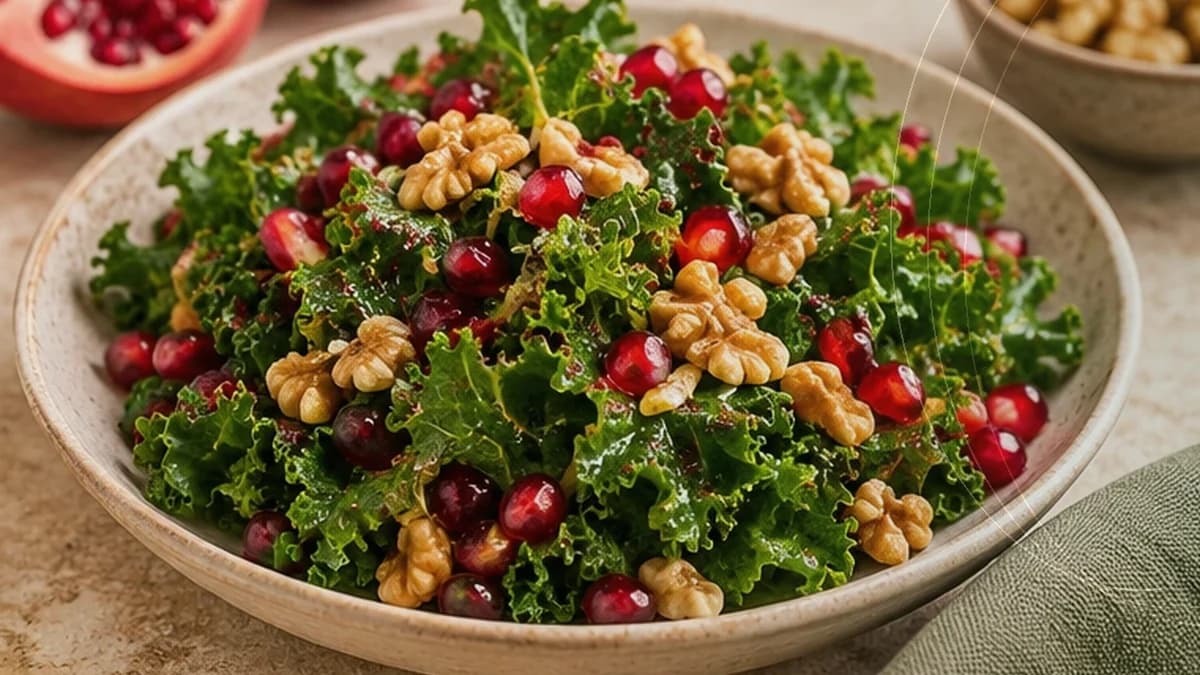
From an everyday lemon and olive oil salad to a festive pomegranate and walnut bowl: our favorite kale salads, what each one is best for, and a simple formula to invent your own.
5 min read ·
 Illustrative image
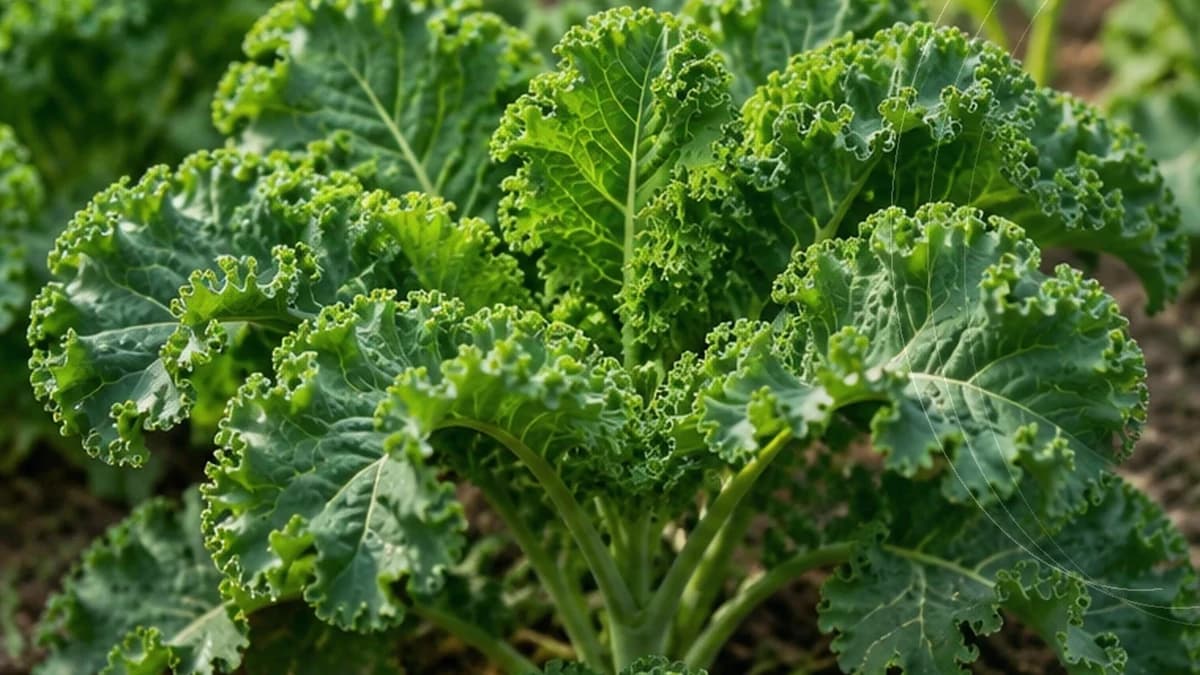
Kale, cabbage, cauliflower, radish and rocket all belong to one plant family. Here’s what makes a vegetable “cruciferous”, which ones already sit on a Lebanese table, and what they have in common.
6 min read ·
 Illustrative image
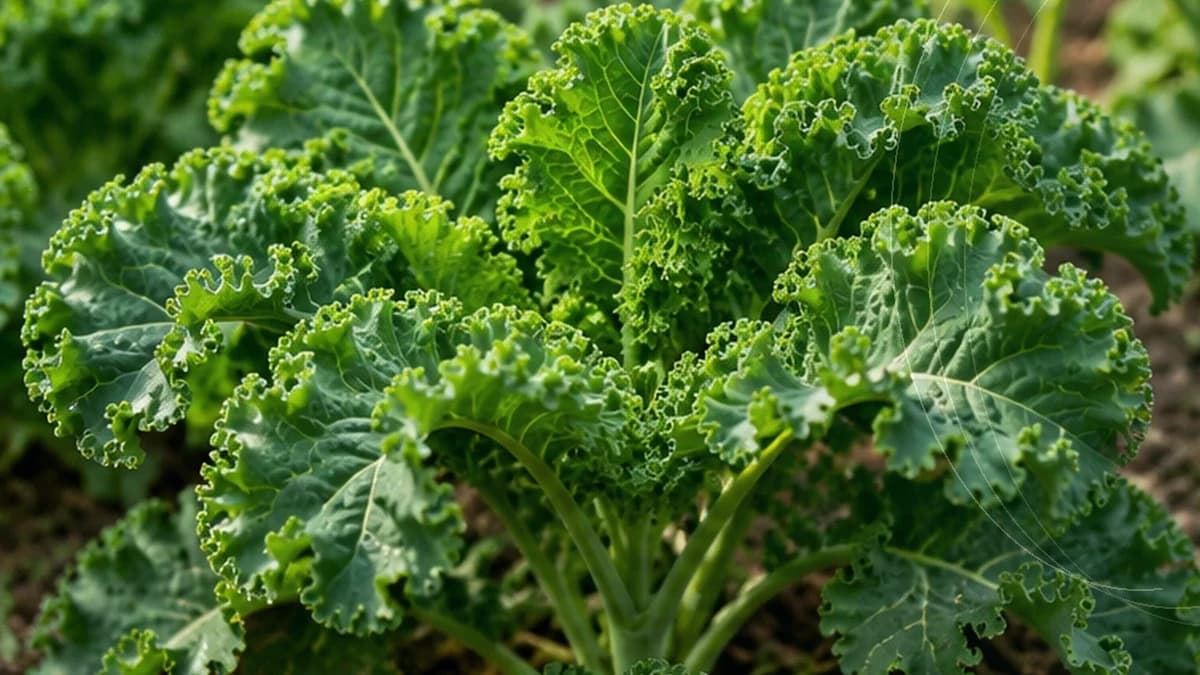
Kale is one of the richest vegetable sources of vitamin K. Here’s what this vitamin does, how leafy greens compare in general terms, how to absorb it well, and what people taking warfarin should know.
6 min read ·
 Illustrative image
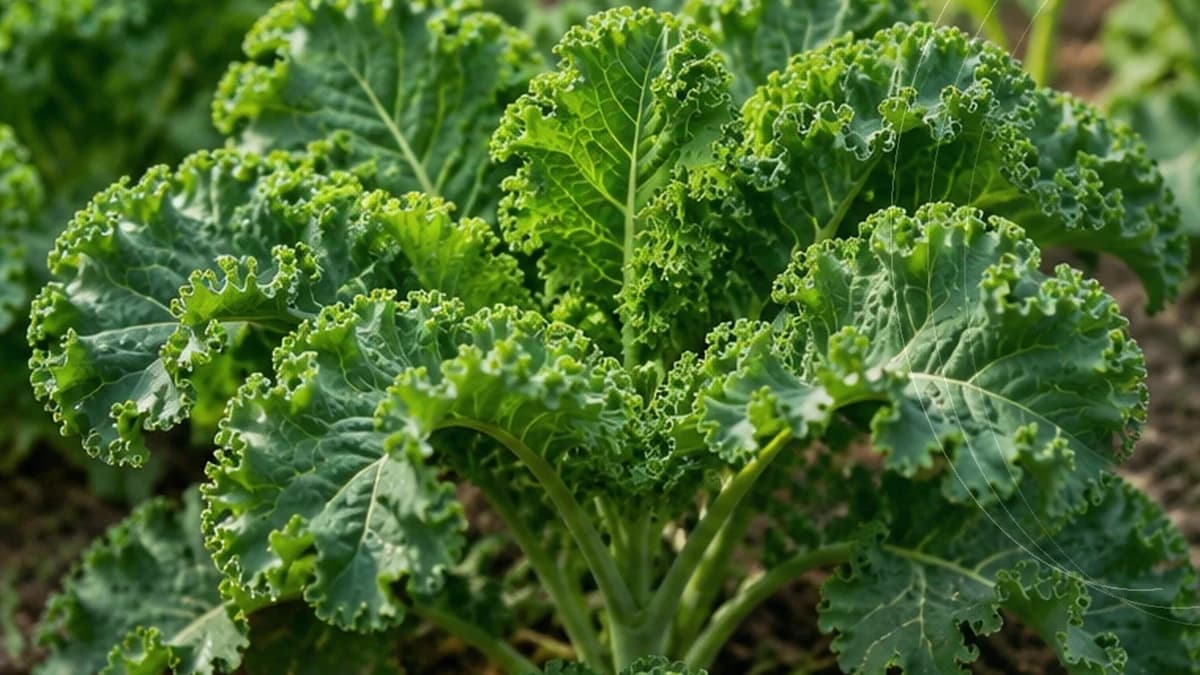
Kale often appears in headlines about cancer. This guide separates what laboratory, animal and human studies have actually found, explains why the evidence is mixed, and sets out what can be said with confidence.
7 min read ·
 Illustrative image
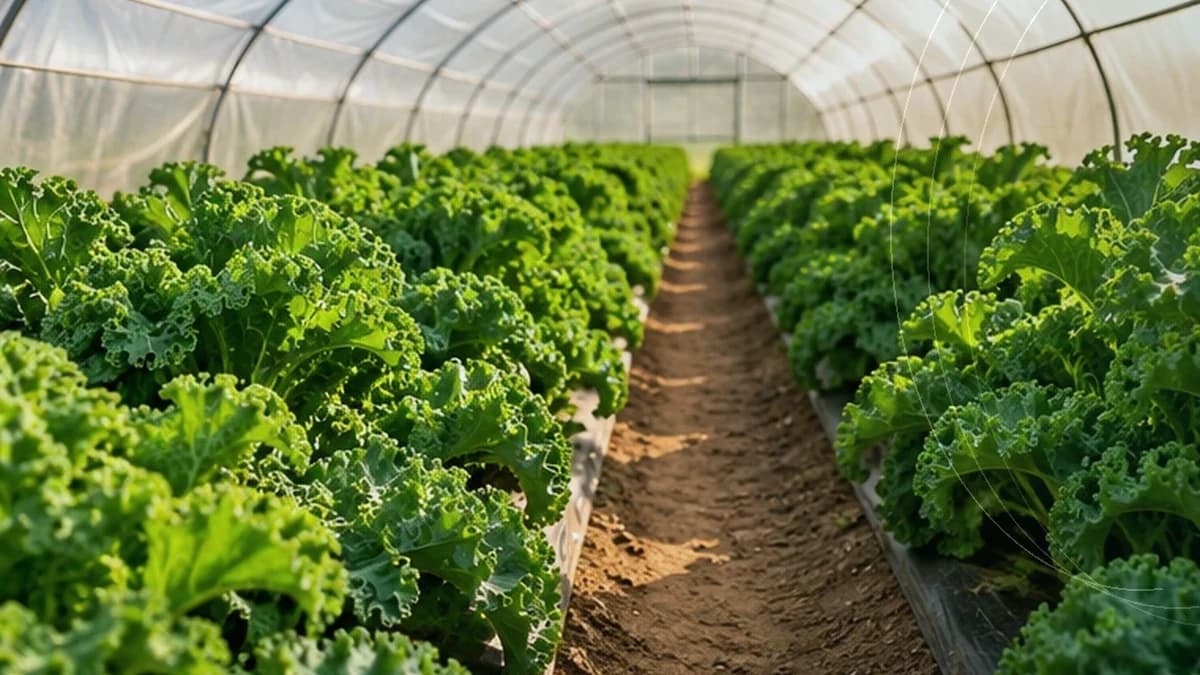
How to store a bag of fresh kale, when and how to wash it, how to spot leaves past their best, and how to handle cooked leftovers safely — without guesswork.
6 min read ·
 Illustrative image
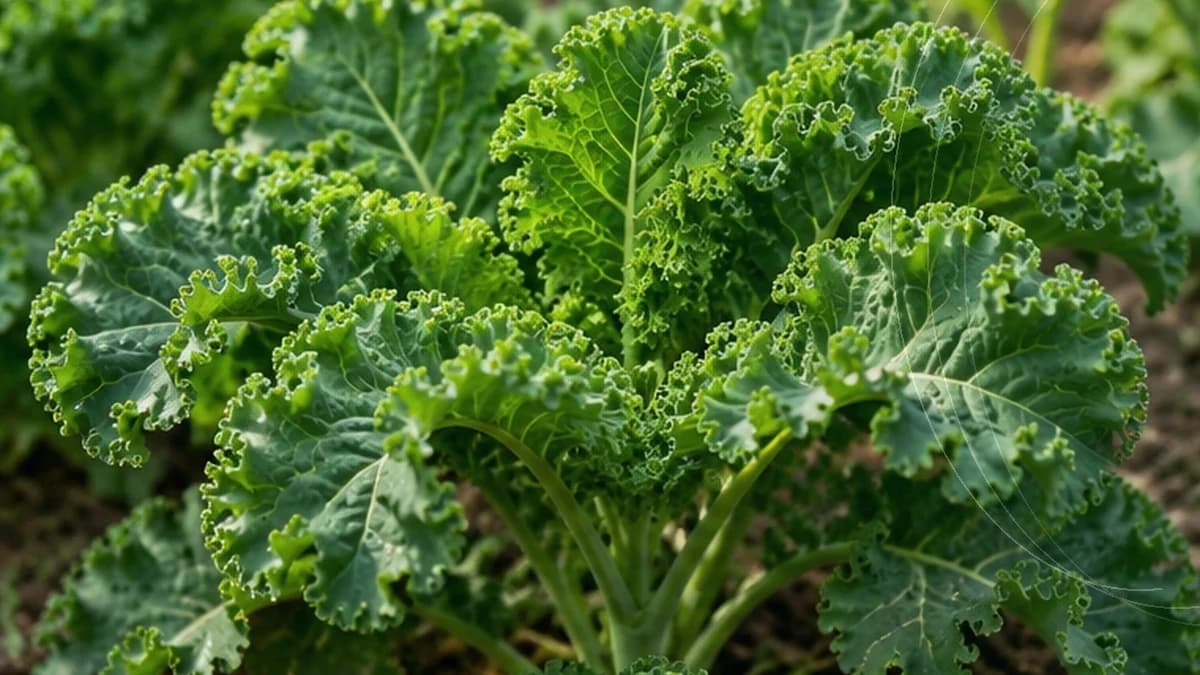
Kale stems are edible, crunchy and full of flavor — they just need different handling from the leaves. Here’s how to prep them, plus six zero-waste ways to use them, from soups to quick pickles.
6 min read ·
 Illustrative image
Practical, pressure-free ways to bring kale to the family table: textures that suit young children, dishes kids already like, and kitchen jobs little hands can do.
6 min read ·
 Illustrative image
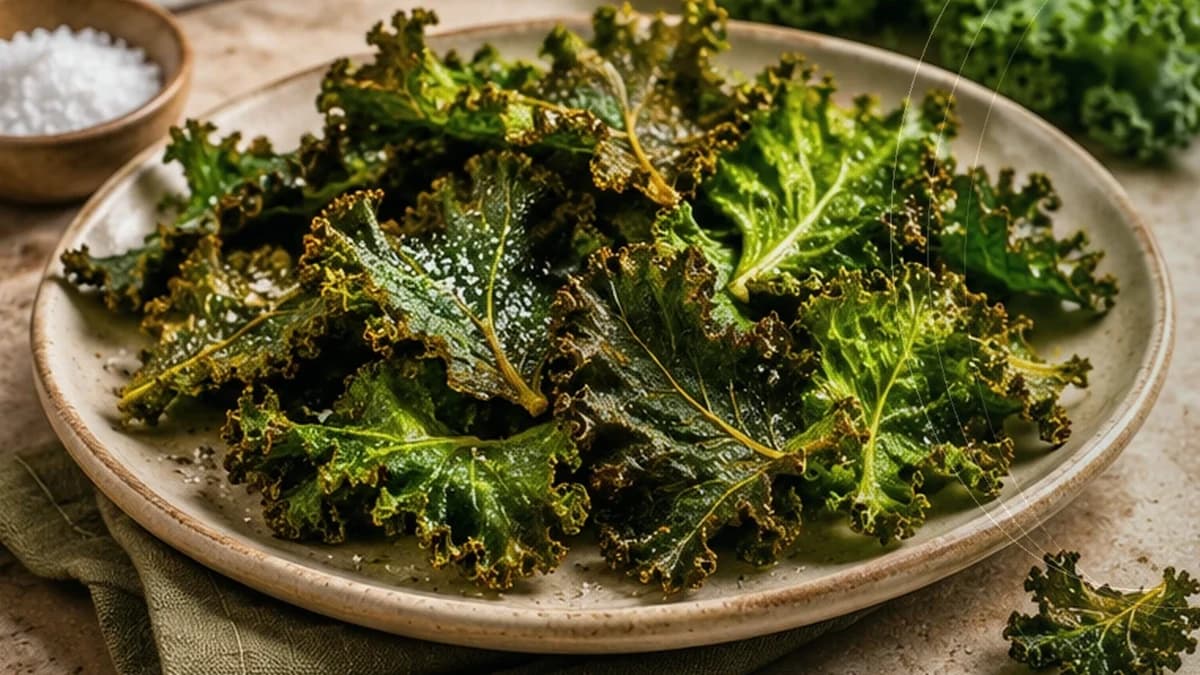
Massage, blanch, sauté or bake? Each method gives kale a different texture. Here’s how to choose, how long each takes, why drying and salting matter, and how to tell when kale is overcooked.
7 min read ·